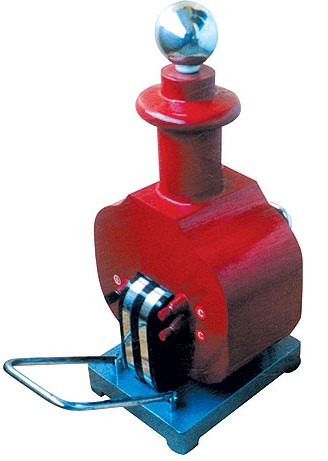

Dry-type high-voltage test transformer safety precautions for on-site use
The test transformer, also known as a step-up transformer, is essential equipment for dielectric strength testing of power generation and supply equipment, various electrical products, and insulating tools and materials. The dry-type high-voltage test transformer has completely changed the outdated state of old test transformers being bulky, large, and heavy. When equipped with matching high-voltage silicon stacks, it can provide DC high-voltage test power. With auxiliary equipment such as control boxes (consoles), automatic protection microammeters, and sphere gaps, the dry-type high-voltage test transformer is particularly suitable for on-site testing, making heavy work convenient, rapid, easy, and flexible, greatly improving efficiency. Therefore, the dry-type high-voltage test transformer is highly favored by high-voltage testing personnel in power systems and large industrial and mining enterprises.
The GTB series dry-type high-voltage test transformer adopts new processes and materials such as coil epoxy vacuum casting and CD-type iron cores. It can output AC and DC high voltage, providing high voltage for various high-voltage tests. Compared with oil-immersed test transformers of the same capacity, the dry-type high-voltage test transformer has advantages such as light weight, easy operation, and no oil leakage. It is particularly suitable for power systems and various power users to test the insulation performance of various electrical equipment and the withstand voltage test of insulating tools on site. The dry-type high-voltage test transformer can be equipped with control boxes (consoles), automatic protection microammeters, sphere gaps, and other auxiliary equipment as needed.
Safety precautions for the GTB series dry-type high-voltage test transformer:
The dry-type high-voltage test transformer should be arranged with sufficient safety distance from personnel and surroundings. Avoid placing equipment and laying high-voltage test leads on pedestrian walkways as much as possible.
The test site should be enclosed with fences and marked with "Stop! High Voltage Danger" signs.
The high-voltage test leads should be supported or pulled by insulating materials. Personnel should be stationed at intervals and at the other end of the cable to prevent people from approaching or passing underneath.
For DC high-voltage tests, the microammeter is best placed at high potential. In addition to a shielding box, it should also have an overcurrent automatic protection device to prevent the meter from being burned out during sudden breakdown short circuits or discharges.
For power frequency withstand voltage tests, please verify whether the equipment capacity is sufficient and avoid resonance.
The working ground wire (high-voltage tail, voltage-stabilizing capacitor end ground wire) and the protective ground wire (control box shell) should be reliably grounded separately.
If the power supply fluctuates irregularly during the test, it will affect the stability of the high-voltage output. In this case, please ask welding or other impact loads to pause temporarily or investigate other causes.
The test work should meet the requirements of the test regulations regarding climate (temperature, humidity). Shielding measures must be taken when necessary.
During the test, if the voltmeter pointer swings significantly, the ammeter reading increases sharply, or the test object shows smoke, arcing, burning smell, or abnormal noise, stop the test immediately, cut off the power, and investigate the cause.
High-voltage testing work must strictly implement the relevant safety work regulations issued by the Ministry of Electric Power.