This part of GB/T 13542 specifies the definitions, general requirements, dimensions, inspection rules, marking, packaging, transportation, and storage for films for electrical insulation. This part is applicable to films for electrical insulation.
Normative references: The provisions of the following documents become provisions of this part through reference in this part of GB/T 13542. For dated references, subsequent amendments (excluding errata content) or revisions do not apply to this part. However, parties to agreements based on this part are encouraged to investigate the possibility of applying the latest versions of these documents. For undated references, the latest version applies to this part. GB/T 13542.2-2009 Films for Electrical Insulation Part 2: Test Methods (IEC60674-2:1988, MOD)
Terms and definitions: The following terms and definitions apply to this part. Windability: The windability of a film is used to evaluate the deformation of a rolled film, which can be measured by bias/camber and sag. Bias-camber: When a film is laid flat, its edges are not straight (bias or camber). Sag: When a section of film is supported by two parallel rollers in a horizontal position and subjected to a certain tension, part of the film will be lower than the overall horizontal plane. Special requirements such as heat resistance or solvent resistance of splices should be agreed upon between the supplier and the buyer.
Core: The film should be wound on a circular core. The core should not shed debris, collapse, or distort under winding tension, and should not damage the film or reduce its performance. All properties, dimensions, and tolerances of the core should be agreed upon between the supplier and the buyer. The preferred inner diameters of the core are 76 mm and 152 mm. The core may extend beyond the ends of the roll or be flush with them. Dimensions
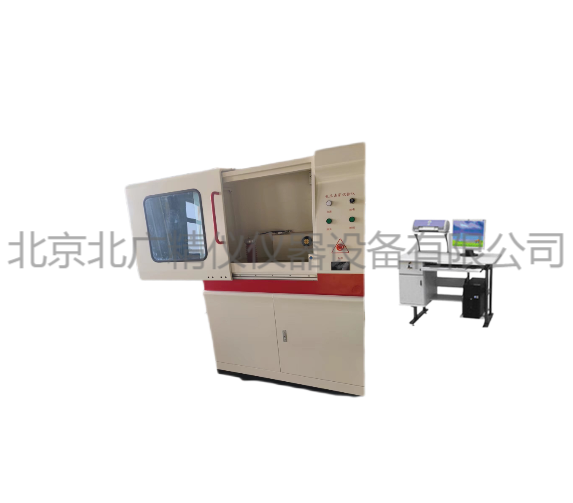
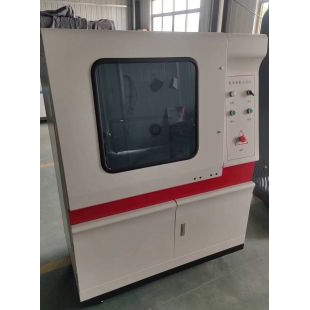
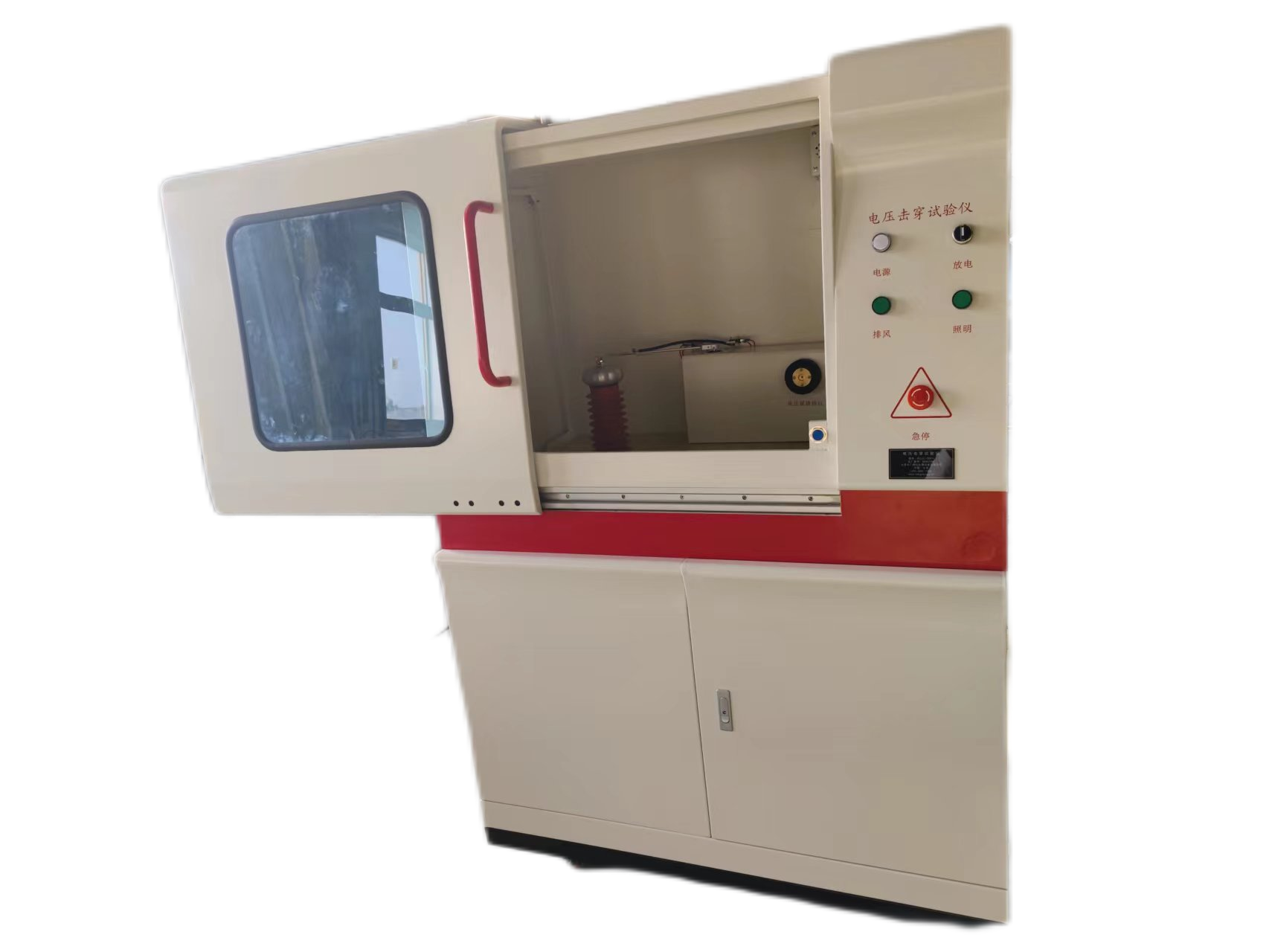
Paint Film Withstand Voltage Tester Multi-level cyclic voltage acquisition technology: After material breakdown, the instantaneous discharge speed is about 1/5 to 1/3 of the speed of light. The internationally common method is the voltage drop method to collect the breakdown voltage. That is, the primary voltage of the transformer drops by a certain ratio instantly to determine whether the material has broken down. Obviously, this causes deviations in recording the breakdown voltage value. The use of multi-level cyclic acquisition technology to collect voltage after breakdown will solve this problem.
● Low-pass filter current monitoring technology: High-voltage discharge generates high-frequency signals. Whether domestic or imported current acquisition sensors, most are power frequency current sensors. When the acquisition process cannot handle high-frequency signals, detection becomes inaccurate. Whether using fluxgate or Hall principle designed sensors, there is a risk of excessive instantaneous output voltage or current signals after breakdown, which can burn out the acquisition part of the control system. Huace's developed low-pass filter current acquisition sensor processes high-frequency noise signals accordingly. At the same time, Huace's self-developed protection module is used to ensure acquisition accuracy and protect acquisition components.
● Dual-system interlock technology and isolation shielding technology: Dual-system interlock technology is applied to electric breakdown instruments. The produced voltage breakdown instrument not only has overvoltage and overcurrent protection systems, but also has a unique dual-system interlock mechanism. When any component fails or a single system malfunctions, the high voltage will be cut off instantly.
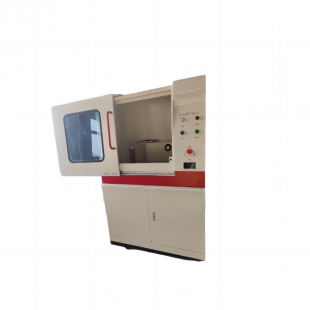
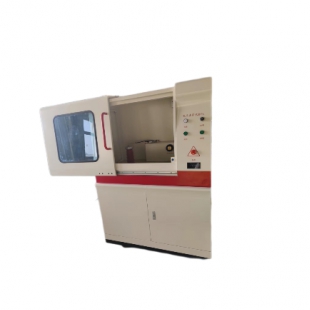
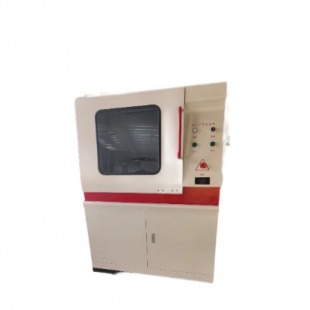
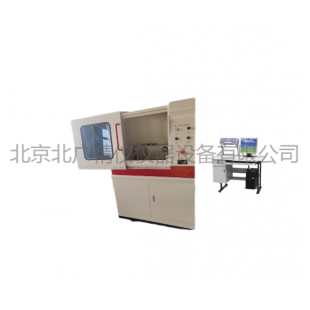
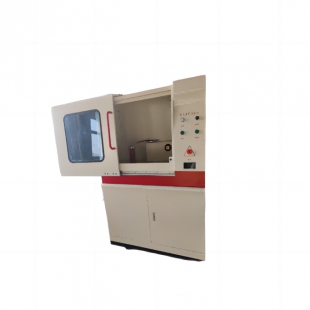
Product Name: Voltage Breakdown Tester
Product Model: BDJC-10KV, BDJC-50KV, BJC-100KV
Product Brand: Beijing Beiguang Jingyi
Control Method: Computer control
Compliant Standards: GB/T1408, ASTM D149, IEC60243-1, etc.
Applicable Materials: Rubber, plastics, films, ceramics, glass, paint films, resins, wires and cables, insulating oil, and other insulating materials
Test Items: Breakdown voltage test, dielectric strength test, electrical strength test, withstand voltage breakdown strength test, etc.
Test Voltage: 10KV, 20KV, 50KV, 100KV, 150KV, etc.
Voltage Accuracy: ≤1%
Applicable Materials: Insulating materials
Voltage Rise Rate: 10V/S-5KV/S
Test Modes: AC/DC, withstand voltage, breakdown, gradient voltage rise
Control System: PLC controlled voltage rise
Core Components: Imported parts
Test Medium: Insulating oil, air
Display: Curve display, data printing
Other Features: Wireless Bluetooth control
Equipment Composition: Main unit, computer, electrodes
Electrode Specifications: 25mm, 75mm, 6mm
Electrical Capacity: 3KVA, 5KVA, 10KVA
Withstand Voltage Time: 0-8H
Safety Protection: Nine-level safety protection
Warranty: Three years, lifetime maintenance.
Training: Engineer on-site training and installation
Certificates: Can be issued by 514 Institute, 304 Institute, Research Institutes, etc.
Main Unit Dimensions: 1000*600*1400mm, 1700*600*1400mm
Main Unit Weight: 100KG, 200KG
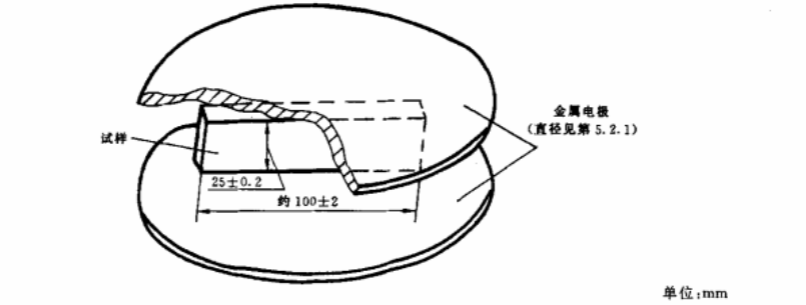
Electrical breakdown: When a specimen is subjected to electrical stress, its insulation performance is severely lost, causing the test circuit current to trigger the corresponding circuit breaker. Note: Breakdown is usually caused by partial discharge in the gas or liquid medium around the specimen and electrodes, and results in damage to the specimen at the edges of the smaller electrode (or equal-diameter electrodes). Flashover: When the gas or liquid medium around the specimen and electrodes is subjected to electrical stress, its insulation performance is lost, causing the test circuit current to trigger the corresponding circuit breaker. Note: The appearance of a carbonized channel or breakdown through the specimen can be used to distinguish whether the test is breakdown or flashover. Breakdown voltage (in continuous voltage rise test): The voltage at which the specimen breaks down under specified test conditions. (In step voltage rise test): The highest voltage that the specimen withstands, i.e., at this voltage level, the specimen does not break down during the entire time.