|
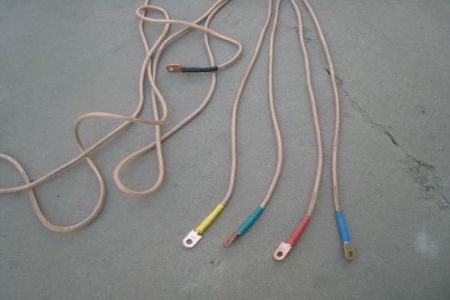
FDB-A/B 35KV Short-Circuit Grounding Wire |
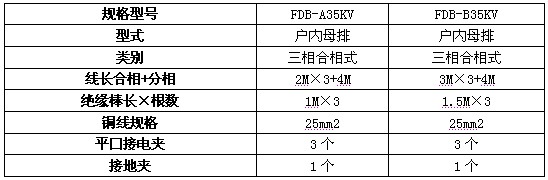
Technical Parameters:

FDB-A/B-35KV Grounding Wire Usage and Maintenance Instructions:
1. According to the safety work regulations, correctly select the number of short-circuit grounding wires to hang, correctly select the hanging location, and correctly use the short-circuit grounding wire.
2. The selection of the flat-mouth spiral compression-type short-circuit grounding wire should be able to withstand the maximum short-circuit current of the energized equipment. Its rated short-circuit current value must not be less than the maximum fault current of the energized equipment. When the automatic reclosing is not disabled, the impact of the second short-circuit current surge on the rated short-circuit current value of the short-circuit grounding wire should also be considered.
3. The length of the short-circuit grounding wire should suit the equipment size and the distance to the fixed grounding point. The product of the square of the rated short-circuit current and the rated time should not be less than the product of the square of the fault current and the fault time. If the length of the grounding wire is less than 1.2 times the distance between connection points, it may cause more severe stress than in type tests; if too long, it may cause excessive working height and strong swinging of the grounding wire during short circuits.
4. Select the type of clamp according to the requirements for convenient hanging of the short-circuit grounding wire. The selection of the grounding operating rod should match the system rated voltage of the hanging point. When hanging the short-circuit grounding wire, ensure that workers, the grounding wire, and live equipment maintain the necessary safety distance. Before the grounding wire is properly hung, workers should maintain a certain safety distance from the conductor to be grounded.
5. Before using the flat-mouth spiral compression-type short-circuit grounding wire, verify by voltage detection that the power is off and there is no voltage on the equipment. Then connect the grounding clamp to the grounding grid, and use the operating rod to tighten the conductor-end clamps respectively. The sequence for removing the short-circuit grounding wire from the equipment conductor is the reverse of the above.
6. When installing the short-circuit grounding wire, consider the influence of the grounding wire swinging on the distance from live equipment. The safety distance should not be less than the value specified in the safety work regulations.
7. If there is no fixed grounding point available at the hanging point, a temporary grounding electrode can be used as a temporary grounding point. The depth of the grounding rod buried in the ground should not be less than 0.6 meters.
8. The flat-mouth spiral compression-type short-circuit grounding wire should be stored in a dedicated location with good air circulation and dry environment. Before each use, carefully check whether it is intact. If the clamp is cracked, the connection is loose, the protective layer is damaged, or the soft copper wire is exposed, it should be prohibited from use.
9. Regular inspections should be carried out according to the electrical safety work regulations (inspection items are the same as factory inspection).
10. A flat-mouth spiral compression-type short-circuit grounding wire that has passed the test should generally be scrapped after experiencing a short circuit.
The sequence for removing the grounding wire should be the reverse. When installing or removing the grounding wire, insulating gloves and insulating rods should be used. The human body must not contact the grounding wire or the unbroken conductor to prevent induced electric shock.
Note: The above information and technical parameters are compiled and released by Yangzhou Dari Electric Co., Ltd.
.jpg)