Instructions for Withstanding Voltage Test on High-Voltage Insulating Boots and Insulating Tools
For conducting withstanding voltage tests on high-voltage insulating boots and insulating tools. Electrical safety equipment includes insulating safety equipment and general protective equipment testing. Insulating safety equipment is divided into two categories: one is basic insulating safety equipment; the other is auxiliary insulating safety equipment. Basic insulating safety equipment for high-voltage equipment includes insulating rods, insulating clamps, and high-voltage test pens, etc. Auxiliary insulating safety equipment includes insulating gloves, insulating shoes, insulating pads, and insulating platforms, etc.
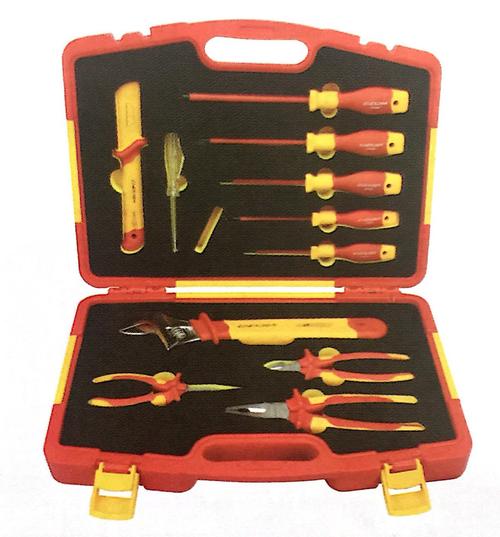
Basic insulating safety equipment for low-voltage equipment includes insulating gloves, tools with insulated handles, and low-voltage test pens, etc. Auxiliary insulating safety equipment includes insulating platforms, insulating pads, and insulating shoes (boots), etc. General protective equipment includes temporary grounding wires, isolation boards, barriers, various safety work signs, safety belts, etc.
To standardize the management of insulating tools and safety facilities, so that the insulating tools and safety facilities configured at various production and construction sites are managed according to regulations and requirements, ensuring the safety and reliability of insulating tools and safety facilities during use, ensuring the life safety of workers, and ensuring the safe progress of construction and production. Inspection and test standards for various safety equipment:
(1) Insulating rods and insulating clamps: Inspection contents include their mechanical strength, whether the porcelain insulators have cracks, and whether the paint surface is damaged. Check once every three months, wipe the surface clean during inspection; the test cycle is one year.
(2) Insulating gloves: Check before each use, wipe once every three months; the test cycle is 6 to 12 months.
(3) Insulating boots and insulating shoes: Check before each use; for outdoor use, clean after use; for indoor use, wipe once every three months; the test cycle is 6 months.
(4) Insulating blankets and insulating pads: Check for holes, cracks, surface damage, wipe clean, once every three months. The test cycle is 2 years.
(5) Insulating platforms: Check the platform surface and corners for damage, wipe clean, once every three months. The test cycle is three years.
(6) High-voltage electroscopes: Check for cracks and whether the indicating element is malfunctioning; check whether it is in good condition before each use. The test cycle is 6 months.
The main equipment used for high-voltage withstanding voltage tests is the test transformer, of which there are three types: oil-immersed test transformer, gas-filled test transformer, and dry-type test transformer. The vast majority choose AC/DC oil-immersed high-voltage test transformers. In addition, control boxes or operating consoles and other equipment are used for withstanding voltage tests on insulating tools, insulating blankets, and electroscopes.
For insulating gloves and insulating boots, the intelligent insulating boot and glove withstanding voltage test device is generally used. This device performs voltage boosting and automatic tripping tests on insulating gloves and insulating boots, and is also equipped with a test transformer and an operating box. During the voltage boosting process of the insulating boot and glove withstanding voltage test device, the alarm buzzer will work and emit a sound, indicating that voltage is being boosted at this time, and closely watch the voltage and current values. When the voltage rises to the set voltage value, the boosting will stop, and automatic timing will start at this time. After the time is up, the voltage will automatically decrease. Note: After each test, you must turn off the power switch,and then turn on the power switch again to conduct the test.