What are the elements of stepper motor classification
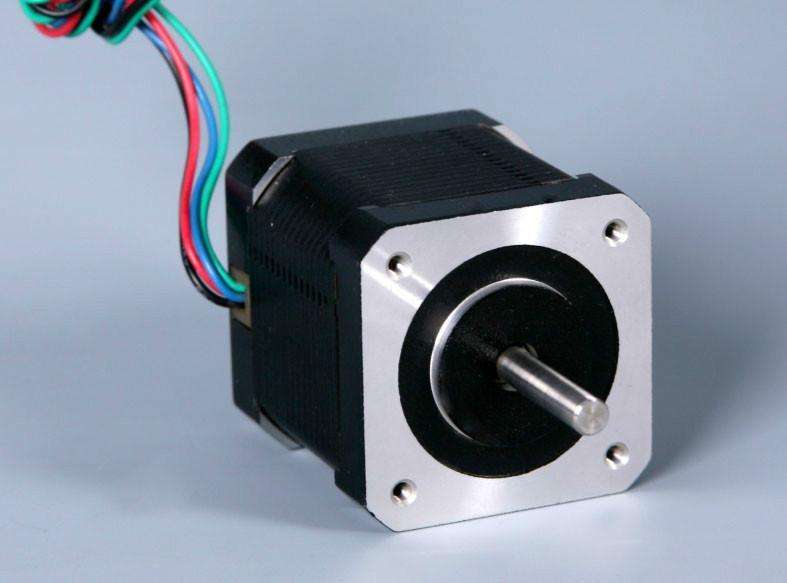
Stepper motors have three main types in construction: Variable Reluctance (VR), Permanent Magnet (PM), and Hybrid Stepping (HS).
Variable Reluctance: The stator has windings, and the rotor is composed of soft magnetic materials. It has a simple structure, low cost, and small step angle, which can reach 1.2°, but it has poor dynamic performance, low efficiency, high heat generation, and reliability is hard to guarantee.
Permanent Magnet: The rotor of a permanent magnet stepper motor is made of permanent magnet material, and the number of rotor poles is the same as the number of stator poles. It is characterized by good dynamic performance and large output torque, but this motor has poor accuracy and a large step angle (generally 7.5° or 15°).
Hybrid: The hybrid stepper motor combines the advantages of both variable reluctance and permanent magnet types. Its stator has multi-phase windings, the rotor uses permanent magnet material, and both the rotor and stator have multiple small teeth to improve step accuracy. It is characterized by large output torque, good dynamic performance, and small step angle, but it has a complex structure and relatively high cost.
According to the stator windings, there are two-phase, three-phase, and five-phase series. The most popular is the two-phase hybrid stepper motor, which accounts for more than 97% of the market share because of its high cost-performance ratio and good effect when paired with a microstep driver. The basic step angle of this motor is 1.8°/step. With a half-step driver, the step angle is reduced to 0.9°. With a microstep driver, the step angle can be subdivided up to 256 times (0.007°/microstep). Due to friction and manufacturing accuracy, the actual control accuracy is slightly lower. The same stepper motor can be paired with different microstep drivers to change accuracy and performance.