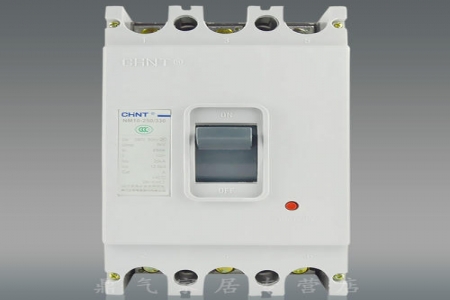
Frame Circuit Breaker W1-2000/630A (3P)
Recommended by Darui Electric
Product Introduction
Frame Circuit BreakerW1-2000/630A(3P)
During normal operation and fault protection, when the circuit breaker is in the open position, both the phase line and neutral line are in the disconnected state, avoiding the neutral line being live during faults. During closing and opening operations, the neutral line closes first and opens last. It has short-circuit current limiting function and high rated short-circuit breaking capacity. It is equipped with overload protection, short-circuit, leakage, and voltage protection devices, with complete protection functions and reliable and convenient wiring.
Product Overview
Short-circuit, overload, and leakage protection. During normal operation and fault protection, when the circuit breaker is in the open position, both the phase line and neutral line are in the disconnected state, avoiding the neutral line being live during faults. During closing and opening operations, the neutral line closes first and opens last. It has short-circuit current limiting function and high rated short-circuit breaking capacity. It is equipped with overload protection, short-circuit, leakage, and voltage protection devices, with complete protection functions and reliable and convenient wiring.
Over/under voltage release: The fully automatic over/under voltage delay protector is a new generation product developed by our company based on market needs. This protector has a reasonable design and is assembled with imported components and domestic brand components. The product can quickly and reliably switch the power supply under high voltage surges and undervoltage conditions, protecting household appliances. When the voltage returns to normal, it can automatically connect the circuit and restore power supply after a delay, effectively protecting appliances from the surge of instantaneous power-on. All functions are fully automated, no special operation is required, and it uses a dual-color LED indicator for safe and quick indication.
Industrial power distribution systems, short-circuit and overload protection. Rated current 63A-125A, high rated short-circuit breaking capacity, with short-circuit current limiting structure. Complete protection functions, with overload and short-circuit protection devices, safe and reliable wiring, using a "frame-type" wiring structure, easy function expansion, safe and reliable. Various accessories can be configured: leakage release, auxiliary contacts, alarm contacts, shunt release, undervoltage release, busbar.
EPD surge protective device: The EPD pluggable type uses the same working principle and selection criteria as the fixed surge protection. It protects against surges caused by indirect lightning, direct lightning effects, or other transient overvoltages.
Note: The above information and technical parameters are compiled and released by Yangzhou Darui Electric Co., Ltd.
.jpg)