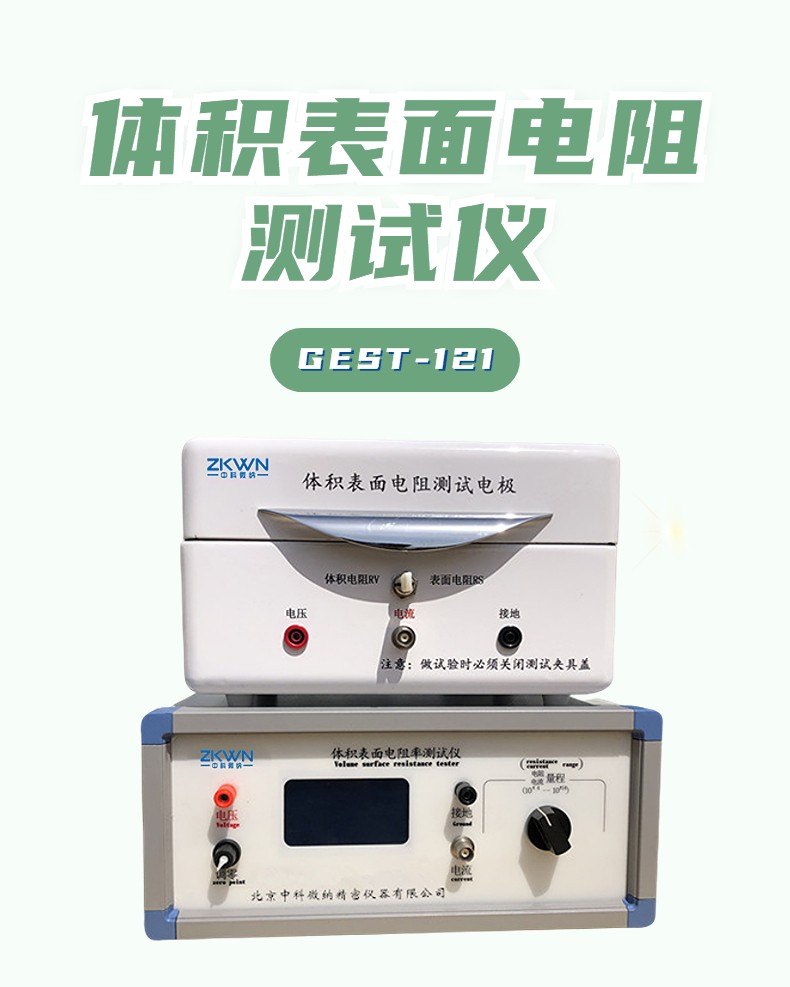
Volume and Surface Resistance Tester (GEST-121)
Compliant Standards:
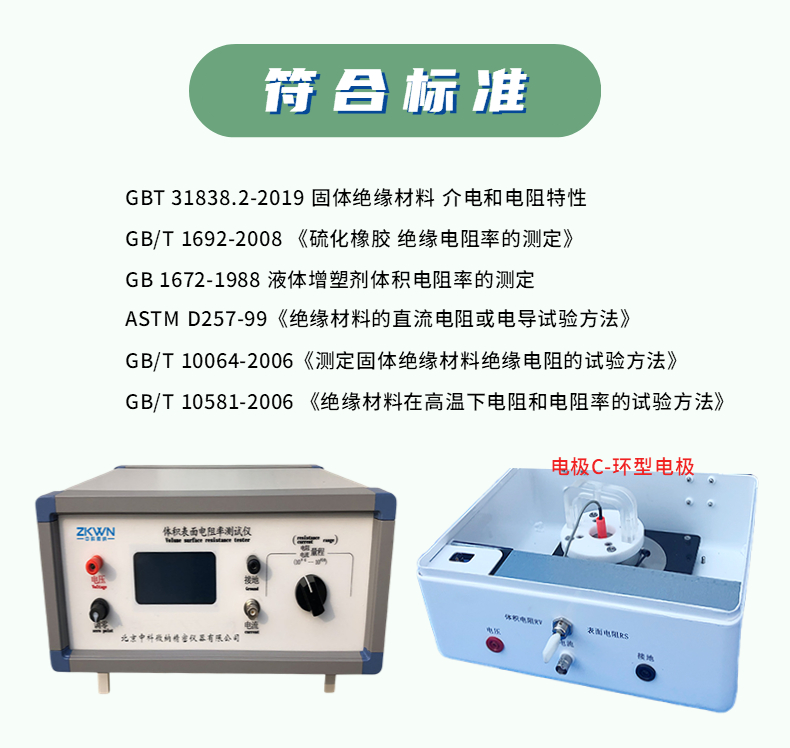
GBT 31838.2-2019 Solid insulating materials - Dielectric and resistive properties
Part 2: Resistive properties (DC method) - Volume resistance and volume resistivity
Part 3: Resistive properties (DC method) - Surface resistance and surface resistivity
Part 4: Resistive properties (DC method) - Insulation resistance
GB/T 1410-2006 "Test methods for volume resistivity and surface resistivity of solid insulating materials" (this standard has been superseded)
ASTM D257-99 "Standard Test Methods for DC Resistance or Conductance of Insulating Materials"
GB/T 10581-2006 "Test methods for resistance and resistivity of insulating materials at elevated temperatures"
GB/T 1692-2008 "Vulcanized rubber - Determination of insulation resistivity"
GB/T 2439-2001 "Rubber, vulcanized or thermoplastic - Determination of resistivity of conductive and dissipative materials"
GB/T 12703.4-2010 "Textiles - Evaluation of electrostatic properties - Part 4: Resistivity"
GB/T 10064-2006_ "Test methods for insulation resistance of solid insulating materials"
GB 1672-1988 Determination of volume resistivity of liquid plasticizers
I. Product Overview
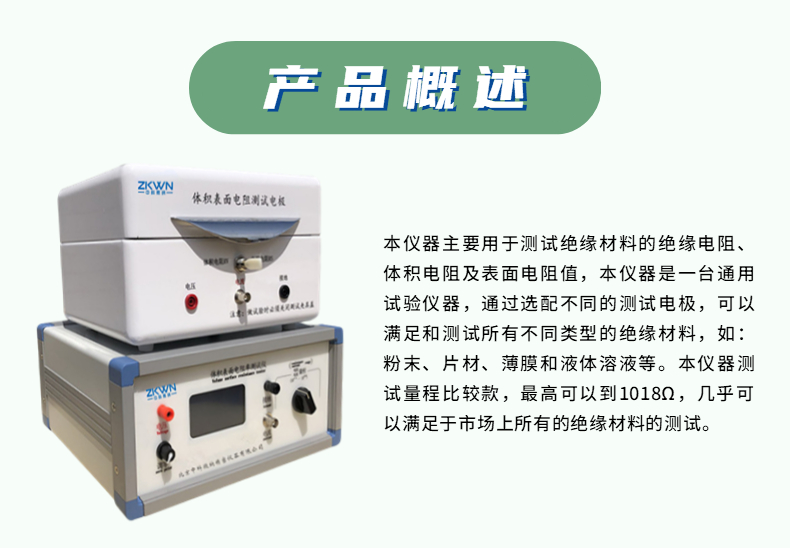
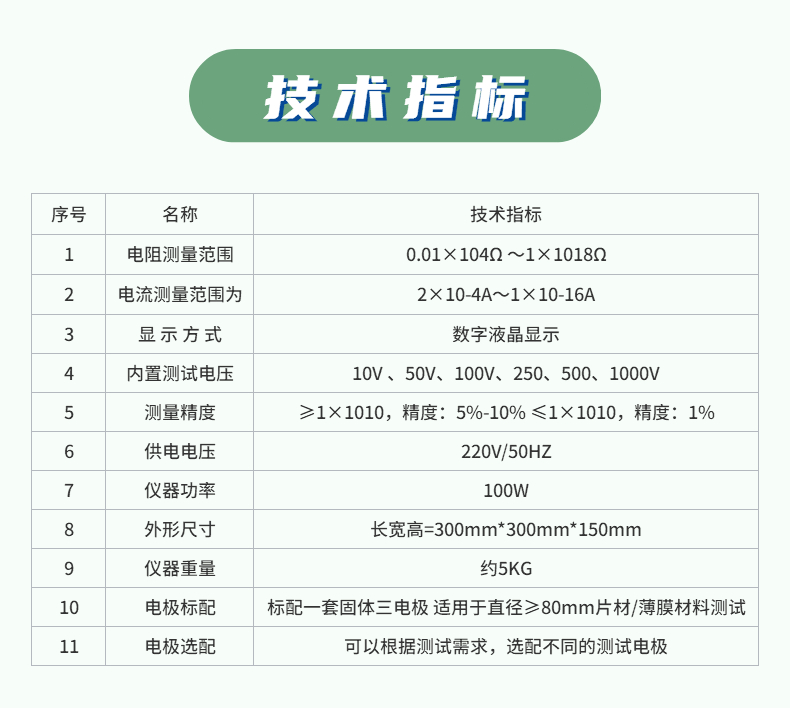
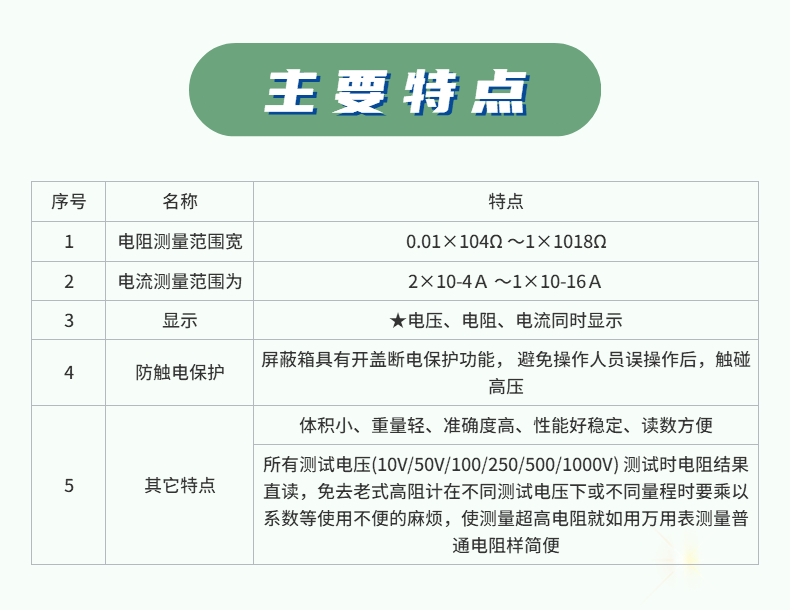
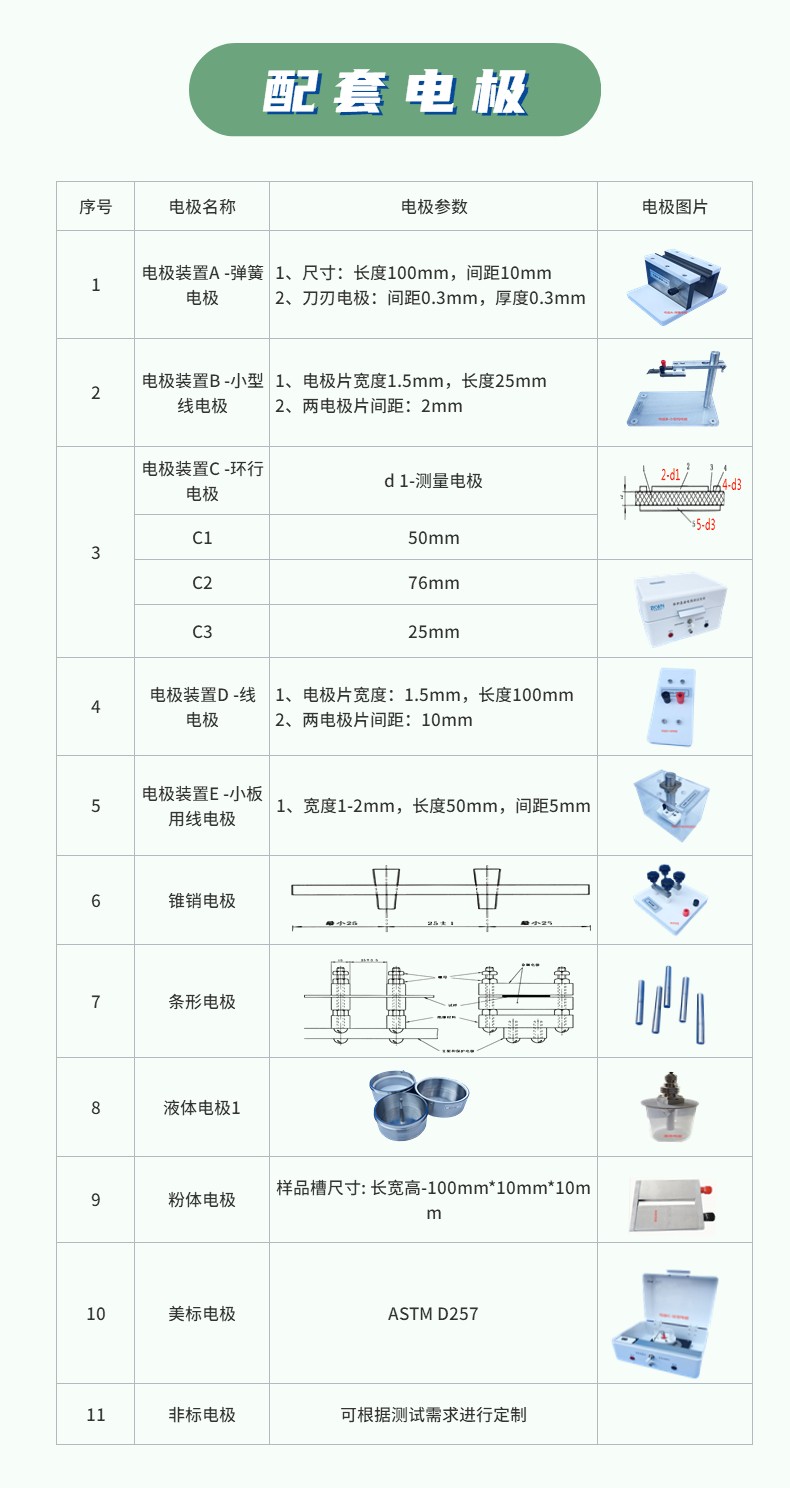
This instrument is mainly used to test the insulation resistance, volume resistance, and surface resistance of insulating materials. It is a universal testing instrument. By selecting different test electrodes, it can meet and test all types of insulating materials, such as powders, sheets, films, and liquid solutions. The instrument has a wide measurement range, up to 10^18 Ω, which can almost meet the testing requirements for all insulating materials on the market.
II. Material Types:
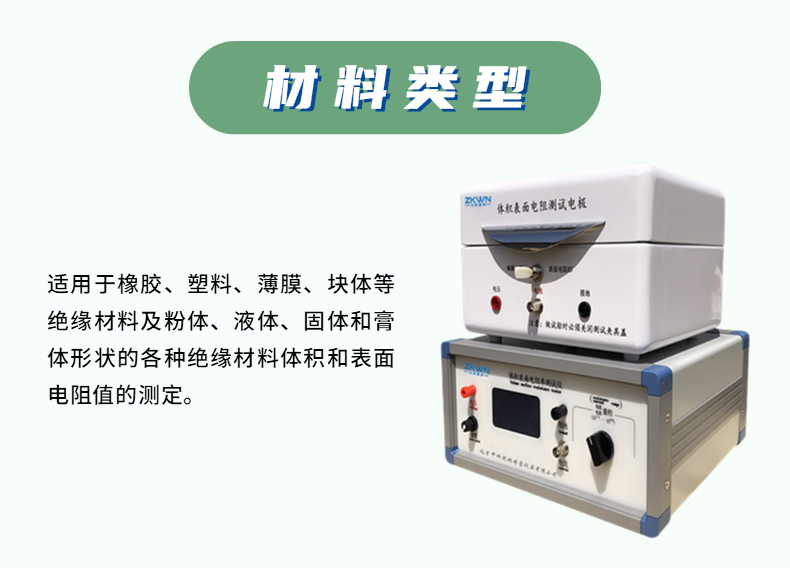
Suitable for measuring the volume and surface resistance of insulating materials such as rubber, plastics, films, and blocks, as well as various insulating materials in powder, liquid, solid, and paste forms.
III. Applicable Customers:
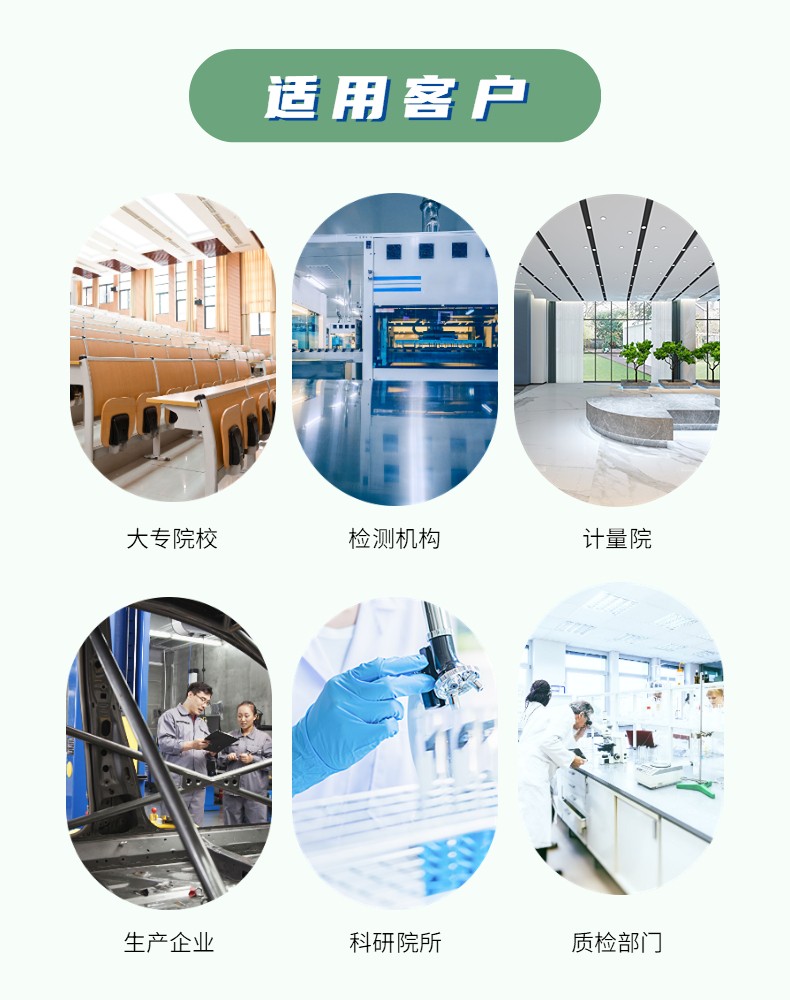
Suitable for metrology institutes, third-party testing agencies, research institutions, R&D departments of manufacturing enterprises, and quality inspection users.
Typical Applications
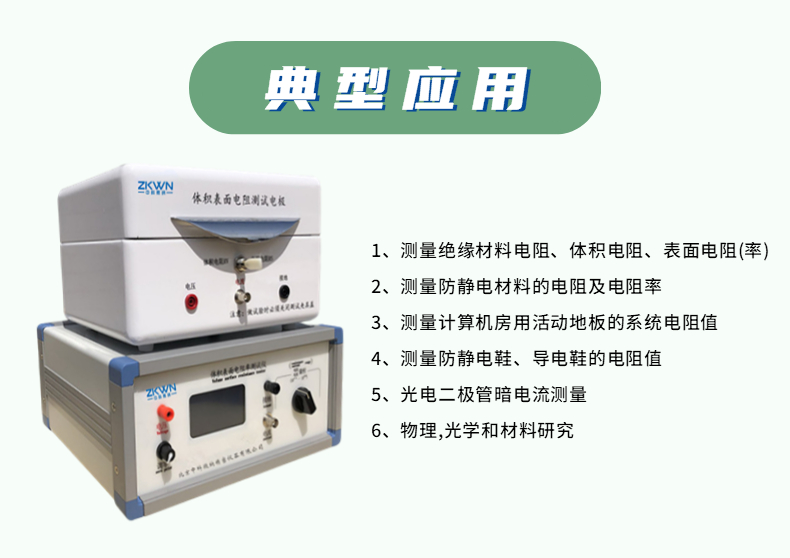
1. Measure resistance, volume resistance, and surface resistance (resistivity) of insulating materials
2. Measure resistance and resistivity of antistatic materials
3. Measure system resistance of raised floors used in computer rooms
4. Measure resistance of antistatic shoes and conductive shoes
5. Dark current measurement of photodiodes
6. Physics, optics, and materials research