Electrical equipment such as circuit breakers, contactors, and relays play a crucial role in power systems. To ensure that these devices operate reliably under various conditions, regular performance testing is essential. This article will discuss how to use a high-current generator to test these devices.
Circuit Breaker Testing
Circuit breakers are important protective devices used to automatically interrupt current in the event of overload or short circuit, thereby protecting the circuit from damage. The performance testing of circuit breakers mainly includes the following aspects:
Operating Current Test: Use a high-current generator to produce different current values to check whether the circuit breaker operates correctly at the specified current threshold.
Operating Time Test: Measure the time required for the circuit breaker to completely disconnect the circuit after detecting overload or short circuit.
Withstand Capability Test: Test whether the circuit breaker can withstand a predetermined short-circuit current without damage.
Contactor Testing
Contactors are mainly used for frequent making and breaking of main circuits, as well as remote control of motors and other loads. Their performance testing mainly includes:
Pick-up Current Test: Measure the minimum current required for the contactor to go from a static state to full closure.
Drop-out Current Test: Determine the highest current at which the contactor releases from the closed state.
Endurance Test: Evaluate the service life of the contactor through multiple pick-up/drop-out cycles.
Relay Testing
Relays are electronic switches used for signal conversion, amplification, and isolation. For relays, the focus of performance testing is on:
Sensitivity Test: Check whether the relay operates correctly at the specified current or voltage level.
Operating Time Test: Measure the time required for the relay to fully operate after receiving a signal.
Anti-interference Capability Test: Ensure that the relay can still work normally in an electromagnetic interference environment.
Test Equipment - High-Current Generator
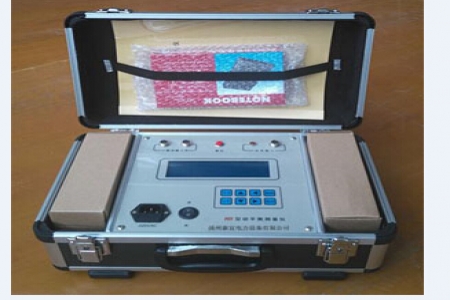
A high-current generator is a test device specifically designed to produce high current output. It typically consists of the following parts:
Power Module: Provides a stable input voltage.
Current Regulation Module: Changes the output current by adjusting the input voltage.
Measurement and Monitoring Module: Used to monitor output current and voltage, and ensure the accuracy of data during the test.
Protection Module: Built-in overcurrent, overvoltage, and short-circuit protection functions to ensure test safety.
Safety Operating Guidelines
Training and Certification: All operators should receive professional training and obtain corresponding certification.
Personal Protective Equipment: Before testing, operators should wear appropriate personal protective equipment, such as insulating gloves and safety goggles.
Site Preparation: Tests should be conducted in a well-ventilated environment free of flammable materials.
Emergency Measures: Develop an emergency plan to ensure rapid action in the event of an accident.
Conclusion
By using a high-current generator for testing, the performance of electrical equipment such as circuit breakers, contactors, and relays can be effectively evaluated. These tests help ensure the safety and reliability of power systems and improve the service life of electrical equipment. With technological advancements, future testing methods and techniques will continue to be optimized and developed.
The above is an overview of performance testing of electrical equipment using a high-current generator. If you need more detailed information or information on specific testing methods, please let me know your specific needs.