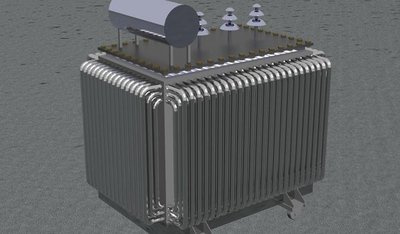
1) Transformers must be well sealed during transportation and storage, and measures must be taken to prevent water during installation and operation; during installation, special attention must be paid to components above the oil level of the oil conservator, such as the top of the bushing, explosion-proof diaphragm, top of the oil conservator, and respiratory tract, where sealing should be properly ensured and leak tests should be conducted. During annual maintenance, the sealing of these components should be checked.Insulation Oil Dielectric Strength Tester(single cup 1) truly realizes the full automation of insulation oil dielectric strength measurement, making the originally cumbersome and dangerous work safe and simple.
(2) For transformers with forced oil circulation, during installation, it should be ensured that the connections between the main body and the cooling system are well sealed. Sealing gaskets should be installed correctly and kept intact. Defects in manufacturing should be properly handled, such as the rubber pads of submersible oil pumps, the sealing packing of oil inlet valve stems, and the connecting pipes of differential pressure relays. When replacing rubber pads, samples of rubber pad materials with unknown performance should be taken for oil resistance tests.
(3) Before installation, each water-cooled oil cooler and submersible oil pump should undergo leak tests according to the manufacturer's installation and operation instructions. For several oil coolers operating in parallel, it is advisable to install check valves at the outlet of each submersible oil pump to prevent oil from flowing backward from standby coolers. During operation and standby, the oil pressure must be maintained higher than the water pressure. The oil inlet valve of the submersible oil pump should be fully opened, and the oil flow should be adjusted with the outlet valve to avoid negative pressure. During operation, the readings of the differential pressure relay and pressure gauge, as well as the presence of oil spots in the outlet water (each oil cooler should be equipped with a drain valve for monitoring oil spots in the outlet water), should be regularly monitored. In northern regions, measures should be taken to prevent the copper tubes of oil coolers from freezing and cracking when not in use.
(4) The explosion-proof cylinder should be connected to the oil conservator or to the atmosphere through a breather. Periodically drain accumulated water from the lower part of the oil conservator.
(5) The oil seal of the breather should be maintained by adding oil to ensure smooth operation. The desiccant should be kept dry.
(6) Transformers of 220 kV and above should use vacuum oil filling to eliminate air bubbles in the coils. For 110 kV transformers, conditions should be actively created to adopt vacuum oil filling.
(7) Before putting the transformer into operation, special attention should be paid to removing internal air, such as residual air in the high-voltage bushing flange, riser, dead zones in oil pipelines, and the top of oil coolers. For transformers with forced oil circulation, before commissioning after installation, all cooling equipment should be started to circulate the oil for a long time to allow residual air to escape.
(8) When adding oil or filtering oil online from the oil conservator, the accumulated water in the oil conservator should be drained first. Oil should not be added from the bottom of the transformer to prevent air or moisture, debris, etc., from the bottom of the tank from being brought into the coils.
(9) When the light gas relay sends a signal, gas (even if it is air) should be collected promptly to determine its composition, and an oil sample should be taken for chromatographic analysis to identify the cause and promptly eliminate the fault.