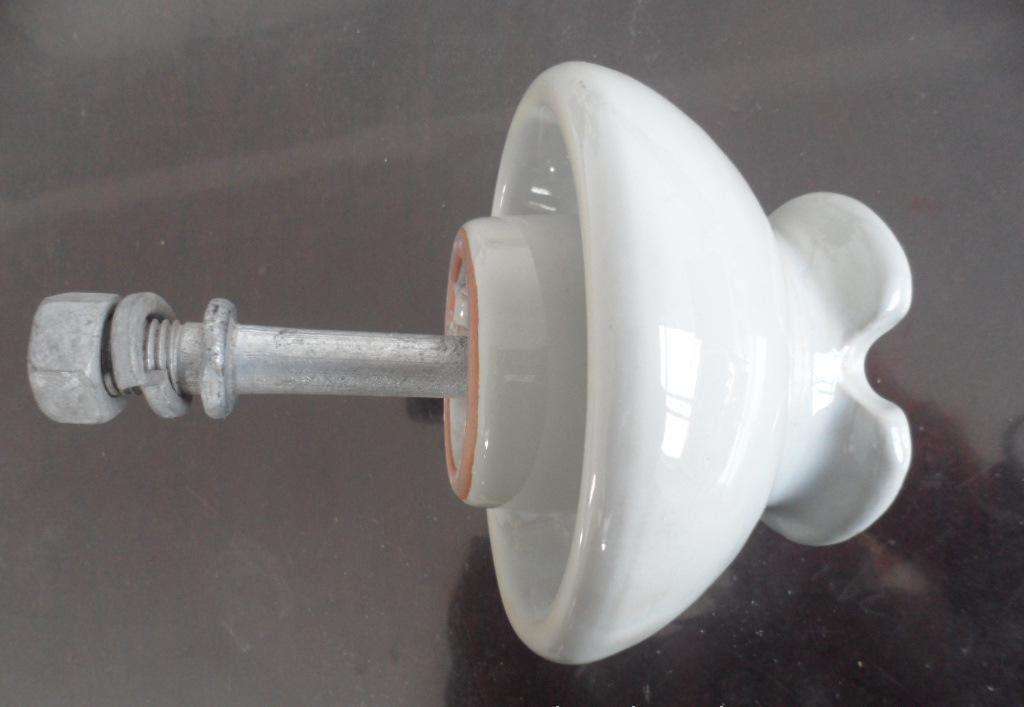
Insulators, commonly known as porcelain bottles, are insulators used to support conductors. They ensure sufficient insulation between conductors and cross arms, and towers. In operation, they must withstand the vertical load of the conductor and the horizontal pulling force. They also endure sun exposure, rain, climate changes, and chemical corrosion. Therefore, insulators must have both good electrical performance and sufficient mechanical strength. The quality of insulators is crucial for the safe operation of power lines. The Capacitance Tester uses a new type of excitation coil for non-disassembly measurement of vacuum degree, featuring convenience, non-disassembly measurement, and high testing accuracy. It is a practical detection instrument suitable for power, steel, petrochemical, textile, coal, railway, and other sectors. Insulators can be classified by structure into support insulators, suspension insulators, anti-pollution insulators, and bushing insulators. Common insulators used in overhead lines include pin insulators, butterfly insulators, suspension insulators, porcelain cross arms, rod insulators, and strain insulators. Electrical faults in insulators include flashover and puncture. Flashover occurs on the surface of the insulator, leaving burn marks, but usually does not lose insulation performance; puncture occurs inside the insulator, with discharge through the porcelain body between the cap and pin, possibly leaving no visible marks but losing insulation performance, or may completely destroy the insulator due to arcing. For puncture, attention should be paid to checking the discharge marks and burn conditions on the pin.